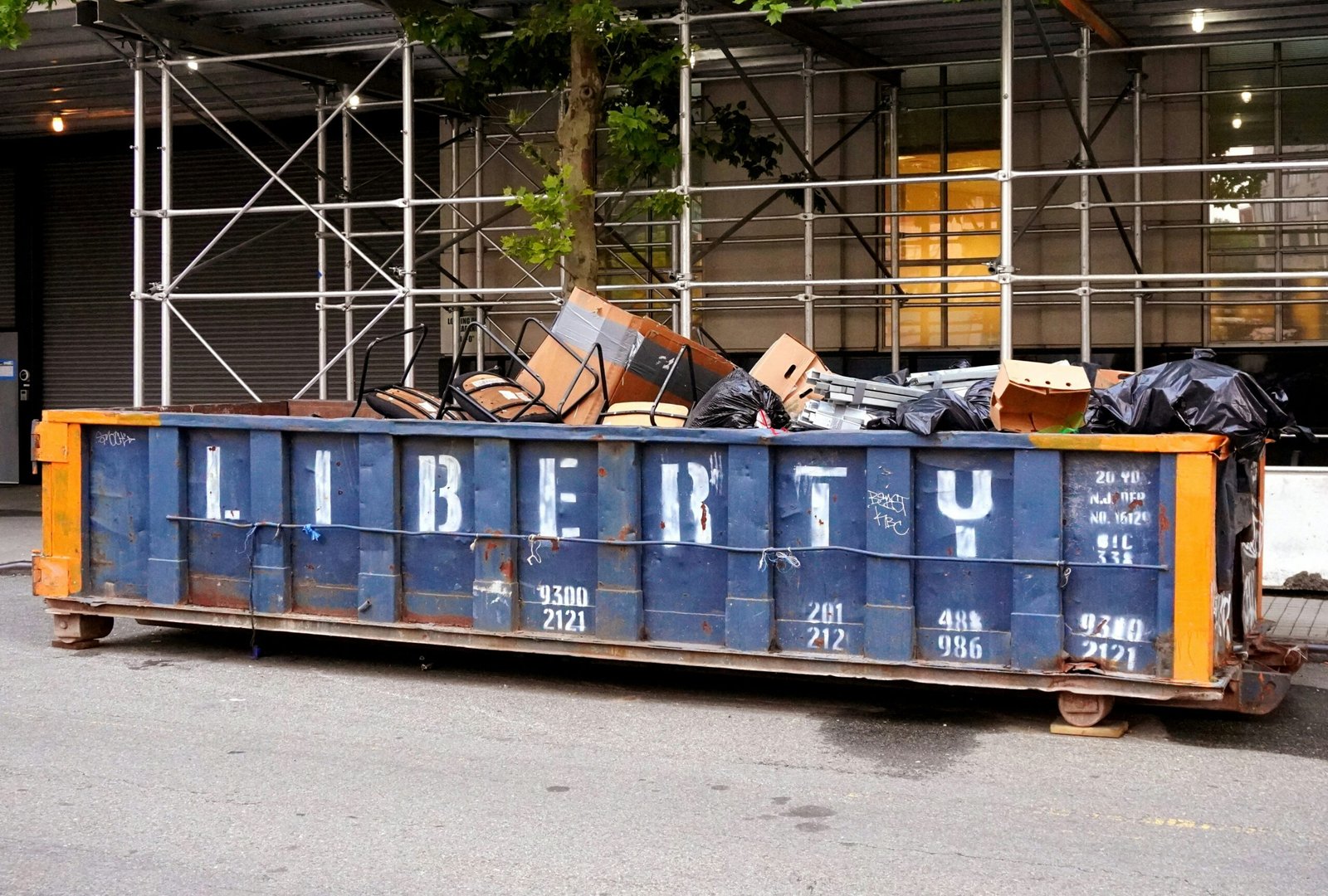
Dumpster rental costs are not limited to the base rental price. In some situations, permits and additional fees may apply, depending on where the dumpster is placed, how long it is kept, and what materials are disposed of.
This guide explains dumpster rental permits and fees, when permits are required, common extra charges, and how renters can avoid unexpected costs.
Do You Need a Permit for Dumpster Rental?
Whether a permit is required depends on where the dumpster is placed and local regulations.
In general:
- Dumpsters placed on private property usually do not require a permit
- Dumpsters placed on public property often require a permit
Local rules vary by city and county, so requirements may differ depending on location.
Dumpster Rental Permit Requirements by Placement Location
Dumpster Placed on Private Property
Examples of private property include:
- Driveways
- Private yards
- Construction sites on owned land
In most cases, no permit is required when a dumpster is placed entirely on private property.
Dumpster Placed on Public Property
Public property placements often require permits.
Examples include:
- Streets
- Sidewalks
- Public parking spaces
- Alleys
Cities typically require a permit to ensure public safety and proper use of shared spaces.
Average Dumpster Rental Permit Cost
Permit costs vary by location, but common ranges include:
- Short-term permits: $25–$75
- Weekly permits: $50–$100
- Extended permits: $100 or more
Permit fees are usually paid to the city or municipality, not the dumpster rental company.
How Long Dumpster Rental Permits Last
Permit durations vary depending on local regulations.
Common permit durations include:
- 3 days
- 7 days
- 14 days
- 30 days
If the dumpster remains in place beyond the permit period, additional fees or penalties may apply.
Who Is Responsible for Obtaining the Permit?
Responsibility for permits depends on the rental agreement.
In many cases:
- The renter is responsible for obtaining the permit
- Some rental companies may assist for an additional fee
It is important to clarify permit responsibilities before scheduling delivery.
Additional Dumpster Rental Fees to Consider
In addition to permits, several other fees may affect the total cost of dumpster rental.
Weight Limit and Overage Fees
Each dumpster rental includes a weight limit based on dumpster size.
If the weight limit is exceeded:
- Overage fees may apply
- Fees typically range from $50 to $100 per additional ton
Heavy materials such as concrete or roofing shingles increase the likelihood of overage charges.
Extended Rental Fees
Dumpster rentals include a standard rental period, often 7 to 10 days.
If the dumpster is kept longer:
- Daily extension fees may apply
- Fees typically range from $10 to $25 per additional day
Extended rental fees can significantly increase total costs over time.
Prohibited Item Disposal Fees
Some materials are not allowed in standard dumpster rentals or require special handling.
Common prohibited or restricted items include:
- Tires
- Appliances with refrigerants
- Paints and chemicals
- Batteries
- Hazardous waste
Disposing of prohibited items may result in additional charges or refusal of pickup.
Failed Delivery or Pickup Fees
Failed delivery or pickup attempts may result in extra charges.
Common reasons include:
- Blocked delivery area
- Inaccessible placement location
- Incorrect scheduling information
These fees help cover additional labor and transportation costs.
Relocation or Repositioning Fees
If a dumpster needs to be moved after delivery, additional fees may apply.
Relocation fees may occur when:
- The placement location changes
- Access issues arise
- Surface protection adjustments are needed
Environmental and Disposal Fees
Some areas charge environmental or landfill fees based on disposal regulations.
These fees may be:
- Included in the base price
- Added as separate line items
Environmental fees vary by region and landfill policies.

Residential Dumpster Rental Fees
Residential dumpster rentals typically involve fewer additional fees.
Common residential fees include:
- Overage charges
- Extended rental fees
- Permit fees for street placement
Most residential projects avoid permits by placing dumpsters on private property.
Commercial Dumpster Rental Fees
Commercial dumpster rentals often involve more complex fee structures.
Possible commercial fees include:
- Longer rental periods
- Higher weight allowances
- Permit renewals
- Scheduled pickup fees
Commercial rentals may also involve monthly billing.
How to Avoid Extra Dumpster Rental Fees
Renters can reduce unexpected charges by:
- Placing dumpsters on private property
- Choosing the correct dumpster size
- Staying within weight limits
- Scheduling pickup on time
- Avoiding prohibited materials
Clear communication with the rental provider helps prevent misunderstandings.
Checking Local Permit Requirements
Local permit requirements can usually be found through:
- City or county websites
- Public works departments
- Local permitting offices
Checking requirements in advance helps avoid fines or delays.
Are Dumpster Rental Permit Fees Refundable?
Permit fees are generally non-refundable, even if the dumpster is returned early.
Refund policies depend on local regulations rather than the rental provider.
Can Permit Costs Be Included in Rental Pricing?
Some rental companies may include permit assistance as part of their service for an additional fee.
However, permit costs are often billed separately and paid directly to the city.
Summary: Dumpster Rental Permits and Fees
Dumpster rental permits and additional fees depend on placement location, rental duration, debris type, and local regulations. Permits are usually required for dumpsters placed on public property, while private property placements typically do not require permits. Understanding permit requirements and potential fees helps renters budget accurately and avoid unexpected charges.